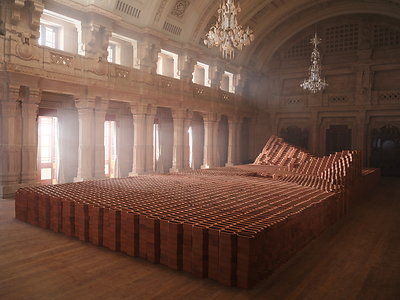
4,500 Diyas, One Serpenti: When Rome Meets Jaipur
Four thousand five hundred hand-sculpted terracotta elements. The geometric language of a Roman serpent. An Indian contemporary artist, multi-generational craftswomen, and the traditional Kumhar pottery community.
In October 2026, Italian high-jewellery maison Bvlgari gathered cultural figures, collectors, and corporate leadership at the Jaipur Centre for Art at the City Palace in Jaipur to unveil Passing the Light, its first-ever global Diwali campaign [1].
The centerpiece was not a temporary billboard or a commercial photoshoot featuring an imported Western celebrity. It was a monumental, modular terracotta installation conceived in collaboration with Indian artist Doyel Joshi, co-founder of *How Are You Feeling Studio* [2]. Each terracotta piece was hand-molded in the shape of a traditional Indian *diya*, the clay oil lamp lit across millions of households during Diwali to celebrate the triumph of light over spiritual darkness. Yet when arranged across the installation's soaring architectural framework, the modular earthen cups interlocked to form the iconic hexagonal scales of Bvlgari's signature Serpenti, an emblem born in Rome in the late 1940s.
Crucially, Bvlgari made *Passing the Light* a worldwide campaign rather than a localized marketing campaign restricted to New Delhi and Mumbai. The installation traveled from the heritage courtyards of Jaipur to the modern luxury corridors of DLF Emporio in New Delhi, accompanied by global editorial storytelling [3]. While the brand also curated an online festive gifting edit for Indian clients, the artistic initiative was kept strictly distinct from transactional product promotions.
This visual meeting between Rome and Jaipur raises a fundamental strategic question for luxury executives: How does an international luxury house participate in a country's cultural traditions without losing its own identity or making the collaboration feel like opportunistic marketing?
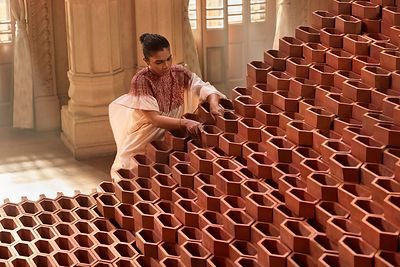
Collaborating with local craftswomen to sculpt 4,500 individual earthen oil lamps shaped into Roman hexagonal scales.
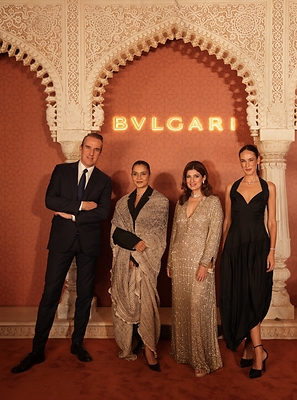
The monumental terracotta Serpenti installation lit by candlelight in Rajasthan's royal cultural sanctuary.
"When luxury houses enter an emerging market, they usually arrive with polished Carrara marble, gilded brass vitrines, and imported European models. Bvlgari arrived with wet river clay and craftswomen from the local Kumhar pottery community."
Think about what that communicates to an Indian consumer. Clay (mitti) is the most humble, sacred material in Indian festive rituals. By allowing local potters to shape the sacred scales of a Roman snake, Bvlgari demonstrated the single rarest quality in luxury market entry: cultural humility. That single gesture earned more respect than a \$10 million advertising blitz.
The 18K vs 22K Gold Paradox
Why would an Indian family accustomed to buying unbranded 22-karat gold by gram-weight ever pay a 400% brand markup for 18-karat European jewellery?
Gold Is Wealth; Design Is Identity
22k gold sits in bank lockers as emergency bullion. Bvlgari's 18k pieces are social currency worn daily to boardrooms and galas. Bvlgari never fought local jewellers on raw gold value; it sold modern status.
The Grade-A Mall Bottleneck
India has 1.4 billion people and 390,000 HNWIs. How many true luxury malls exist in the entire sub-continent?
The Digital Salvation
Only DLF Emporio, The Chanakya, and Jio World Plaza qualify! That is why Bvlgari embraced Tata CLiQ Luxury: ~40% of orders come from wealthy tier-2/3 cities without any physical luxury boutique in sight.
The Mangalsutra Gamble
Did Bvlgari risk a catastrophic cultural backlash by reinterpreting India's most sacred marriage necklace into a luxury piece?
Co-Creation, Not Appropriation
By partnering with Priyanka Chopra Jonas and honoring the black onyx evil-eye warding tradition rather than altering it, Bvlgari made the piece a commercial sell-out and a symbol of female empowerment.
Bvlgari Did Not Arrive Yesterday: A 20-Year Lesson in Patience
To understand Bvlgari's cultural resonance in India today, one must recognize that it was not built overnight. The maison's relationship with India spans more than two decades of trial, strategic withdrawal, and deliberate institutional reinvention.
Early Entry in an Undeveloped Ecosystem
Bvlgari first entered India in 2004 through a local distribution alliance. At the time, India possessed virtually no dedicated luxury mall infrastructure. High-street footfall was fragmented, import tariffs were prohibitive, and domestic consumers were accustomed to purchasing unbranded 22-karat gold from trusted family jewellers.
Withdrawing to Rebuild Direct Control
Stymied by operational bottlenecks and partner misalignment, Bvlgari exited India in 2011. The exit was not an admission of defeat, but a tactical pause. The maison recognized that running luxury operations through intermediary agreements diluted clienteling standards, inventory integrity, and brand prestige.
Re-Entering via DLF Emporio, New Delhi
In 2014, Bvlgari returned under a direct subsidiary structure, establishing its first proper standalone flagship boutique at DLF Emporio in New Delhi. By controlling its retail environment, staffing, and after-sales service directly, Bvlgari established the baseline architectural standard expected by international high-jewelry collectors.
Reinterpreting Sacred Tradition through Roman Geometry
In September 2021, Bvlgari unveiled the *Bvlgari Bvlgari Mangalsutra*, created in collaboration with its global ambassador Priyanka Chopra Jonas [4]. The mangalsutra is a sacred Indian necklace worn by married women, traditionally featuring black beads to ward off evil. Bvlgari reinterpreted this cultural talisman in 18-karat yellow gold, combining black onyx beads with circular motifs set with brilliant-cut diamonds. Rather than imposing a foreign European design, Bvlgari created a contemporary heirloom that modern Indian women could wear with power suits in London or saris in Mumbai.
The Kada Bracelet and Western India Flagship
Building on the mangalsutra's success, Bvlgari launched the *B.zero1 Kada Bracelet* in 2024, inspired by the traditional Indian kada worn across generations. It retained the architectural spiral of Rome's Colosseum while honoring Indian wristwear rituals. Concurrently, Bvlgari opened its western India flagship at Mumbai's premier luxury destination, Jio World Plaza in BKC, cementing its presence in India's financial and entertainment capital [5].
Aiming for the Global Top 10 by 2028
Bvlgari CEO Jean-Christophe Babin stated in executive interviews that India has the commercial momentum to enter Bvlgari's top ten global markets within three years [6]. By September 2026, Bvlgari expanded east by opening its fourth Indian boutique at Quest Mall in Kolkata, joining Delhi, Mumbai, and Hyderabad [7].
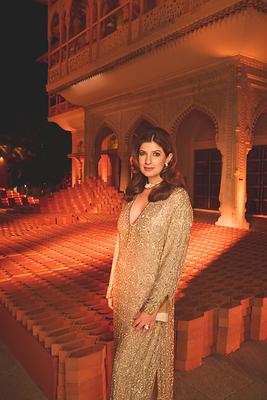
4,500 Hexagons: Where Roman Architecture Meets Earthen Craft
Notice how each terracotta scale contains a subtle lip designed to hold traditional mustard oil and a cotton wick. Kumhar potters crafted these pieces with millimeter precision so they would interlock across the modular metallic frame without adhesives.
Where Indian Luxury Buyers Actually Live
To test demand beyond its physical boutiques, Bvlgari established an exclusive digital boutique on Tata CLiQ Luxury. Published performance analyses revealed that approximately 40% of Bvlgari's online sales in India originated from non-metro tier-2 and tier-3 cities, regions entirely devoid of standalone luxury boutiques [8]. Across the broader Tata CLiQ Luxury platform, non-metro pin codes generate over 55% of transactions. This demonstrates a vital commercial truth: in India, affluent capital is dispersed across hundreds of industrial hubs and tier-2 capitals, long before physical luxury malls arrive.
India's Luxury Market: Separating Hype from Commercial Reality
International headlines frequently celebrate India as the next economic powerhouse. For a luxury brand executive, however, population scale of 1.4 billion people is largely irrelevant. Luxury houses do not sell to population averages; they sell to addressable wealth pools.
A rigorous look at India's market data reveals both compelling growth and extreme structural concentration:
Euromonitor estimates India's overall luxury goods sector at approximately $12.1 billion in 2025, tracking at a 10% compound annual growth rate [9]. Meanwhile, Redseer's *Beyond Prestige* report projects India's share of global personal luxury goods will climb from roughly 2% to 5-6% by FY2029, unlocking a $24-26 billion addressable market [10].
The Capgemini World Wealth Report 2026 documents that India's High-Net-Worth Individual (HNWI) population expanded to approximately 390,100 in 2025, controlling over $1.645 trillion in investable assets [11]. Complementing this, the Mercedes-Benz Hurun India Wealth Report 2025 identified 871,700 millionaire households (net worth >₹8.5 crore), an 90% increase since 2021 [12].
It is critical to distinguish between these categories. Aspirational consumers who purchase an entry-level designer fragrance or sunglasses are commercially distinct from High-Net-Worth Individuals who commission six-figure Serpenti high-jewellery parures.
Furthermore, wealth in India is geographically concentrated across eight primary metropolitan areas (Mumbai, Delhi NCR, Bengaluru, Hyderabad, Kolkata, Chennai, Pune, and Ahmedabad), supplemented by affluent industrial and entrepreneurial belts in cities like Surat, Jaipur, Ludhiana, and Chandigarh. Managing India requires knowing where wealth clusters and how regional consumer priorities diverge.
Why Culture Matters: India's Sacred Relationship with Gold and Jewellery
In Western luxury discourse, fine jewellery is often categorized alongside apparel and leather goods as discretionary fashion accessories. In India, jewellery occupies an entirely different cognitive space: it is sacred ritual, social capital, generational wealth preservation, and emotional security.
Indian households hold an estimated 25,000 tonnes of gold, representing the largest private gold repository in the world. Gold and gemstones are purchased to mark life milestones: births, weddings, anniversaries, and auspicious calendar dates such as Akshaya Tritiya and Dhanteras during Diwali.
However, international luxury maisons face an established domestic competitor: the traditional Indian family jeweller. For generations, prominent jewellers (from Tanishq and Malabar Gold to heritage high-end houses like Gem Palace or Hazoorilal) have provided bespoke, heavy 22-karat gold wedding parures priced closely to commodity gold spot rates plus making charges.
How does a European maison like Bvlgari, Cartier, or Van Cleef & Arpels justify charging several times the raw metal value of an 18-karat gold piece?
Wearability Over Weight
Traditional bridal jewellery is magnificent but frequently heavy and relegated to bank vaults for 360 days a year. International maisons offer lightweight, modern pieces that can be worn daily to executive meetings or social dinners.
Universal Cultural Currency
A Bvlgari Serpenti or B.zero1 ring communicates international discernment. Affluent Indians travel globally; wearing an internationally recognized icon signals global sophistication in Geneva, Tokyo, or New York.
Patented Artistry
From the tubogas flexible coiled gold band to precision cabochon cutting, European houses offer proprietary architectural craft that cannot be easily replicated by local manufacturing workshops.
The Maharaja Who Brought 40 Trunks of Jewels to Place Vendôme
Western luxury brands often speak about entering India as if it were unmapped territory. But the relationship flows both ways: in 1928, Maharaja Bhupinder Singh of Patiala arrived in Paris escorted by Sikh guards carrying 40 iron trunks containing 2,930 diamonds, Burmese rubies, and emeralds. He walked into Cartier on Place Vendôme and commissioned the legendary Patiala Necklace, anchored by the colossal 234.6-carat De Beers yellow diamond. Indian royal patronage literally kept European luxury ateliers afloat during the interwar era. Today's luxury expansion is not an introduction; it is a historic reunion.
In the Ipsos Global Trends 2025 study surveying 38,000+ respondents across 43 countries, 63% of Indian respondents stated that global brands make better products than local brands, compared to just 40% in mainland China [13]. While this measures general brand perception rather than direct luxury purchase intent, it demonstrates that Indian consumers maintain strong emotional confidence in the prestige, engineering, and quality of international heritage labels.
China is Not Disappearing: Understanding Structural Recalibration
In international investment boardrooms, there is a temptation to simplify: "China's luxury boom has ended, so we must pivot entirely to India."
This narrative is fundamentally mistaken.
China remains an extraordinary, multi-billion-dollar luxury colossus. According to Bain & Company's annual luxury reports, China's domestic personal luxury goods market contracted by approximately 18-20% in 2024 and experienced an additional 3-5% adjustment in 2025, before showing stabilization in late 2025 [14], [15].
This adjustment was driven by structural factors: real estate wealth contractions, macroeconomic caution, and post-pandemic luxury fatigue. Simultaneously, the rise of the Guochao (国潮) cultural movement (celebrating Chinese cultural heritage in contemporary consumer goods) has strengthened domestic brands in beauty and lifestyle. Furthermore, Chinese consumers became far more discerning, rejecting aggressive price hikes from Western luxury brands that were not matched by superior product craftsmanship or exclusivity.
The strategic opportunity is not to abandon China. It is to recognize that China has matured into a complex, highly discerning market where growth must be earned through exceptional value, while India represents an underpenetrated, early-stage growth frontier where international brand equity remains aspirational. Global luxury conglomerates need a diversified Asian portfolio.
India vs. Mainland China: A Strategic Comparison Matrix
Comparing the two Asian powerhouses highlights why luxury brand executives cannot treat their commercial playbooks as interchangeable:
| Dimension | India | Mainland China |
|---|---|---|
| 1. Market Maturity | Nascent to emerging; highly concentrated in top 4 metros with early tier-2 expansion. | Highly mature; multi-tiered presence across tier-1 through tier-4 cities. |
| 2. Personal Luxury Size | Estimated $3B to $4B (personal luxury subset of broader $12.1B total luxury market). | Estimated $45B to $50B+ domestic market (historically ~20-25% of global spend). |
| 3. Growth Trajectory | High expansion phase: ~10-12% CAGR projected through 2029 (Redseer/Euromonitor). | Stabilizing and recalibrating after post-pandemic double-digit contractions. |
| 4. Wealth Creation | Rapid: 390,100 HNWIs (+3% YoY); 871,700 millionaire households (+90% since 2021). | Enormous HNWI base (~1.5M+), currently navigating real estate portfolio adjustments. |
| 5. Cultural Relationship | Deep ceremonial roots in gold, bridal parures, auspicious gifting (Diwali, weddings). | Status signalling, personal pampering, aesthetics, transitioning to experiential luxury. |
| 6. Global Brand Perception | High confidence: 63% believe global brands produce superior products (Ipsos 2025). | Selective & critical: 40% favor global brands over domestic alternatives (Ipsos 2025). |
| 7. Domestic Alternatives | Dominant in 22k unbranded traditional gold jewellery; fragmented in branded accessories. | Strong Guochao momentum in beauty, fashion, tech (Chando, Li-Ning, Huawei). |
| 8. Consumer Confidence | Optimistic macroeconomic sentiment powered by ~6.5-7% national GDP expansion. | Discerning and cautious discretionary spending among middle-class aspirational tiers. |
| 9. Retail Infrastructure | Severe bottleneck: only 3-4 true luxury malls nationally (DLF Emporio, Jio World Plaza). | Highly sophisticated: world-class luxury shopping malls (SKP, Plaza 66, Taikoo Li). |
| 10. Digital Distribution | Phygital hybrid: Tata CLiQ Luxury and AJIO Luxe delivering >50% non-metro reach. | Ubiquitous: Tmall Luxury Pavilion, WeChat Mini-Programs, live social commerce. |
| 11. Key Market Risks | High import duties (20-35%+), extreme retail real estate shortage, price arbitrage to Dubai. | Geopolitical headwinds, domestic price scrutiny, anti-ostentation social dynamics. |
| 12. Expansion Priority | Long-term brand foundation building, VIP clienteling, and selective flagship presence. | VIC client retention, experiential flagship reinvention, and localized product excellence. |
The Hard Truth: Why India is Not an Easy Market
Any strategic analysis that presents India as an effortless goldmine ignores the harsh operational hurdles that international luxury houses face on the ground:
The Severe Luxury Mall Bottleneck
As Reuters reported in March 2026, India's luxury promise faces a physical wall: there are only three to four shopping malls in the entire country that meet international luxury standards (DLF Emporio and The Chanakya in Delhi, and Jio World Plaza in Mumbai) [16]. Top global conglomerates like LVMH, Kering, and Richemont are actively competing for limited boutique real estate with zero vacancy, delaying store openings by years.
Punitive Import Tariffs and Price Arbitrage
India levies high customs tariffs (frequently 20% to 35%+ depending on product category), compounded by 18% to 28% Goods and Services Tax (GST). Consequently, a luxury timepiece or handbag in Mumbai can cost 15% to 30% more than the identical item in Dubai, Singapore, or Paris. Affluent Indians travel frequently and often choose to make significant luxury purchases overseas, eroding domestic boutique revenue.
The Risk of Superficial Localisation
Indian consumers are culturally astute. Slapping generic Paisley patterns or saffron hues onto an existing European handbag during festival week is perceived as cynical marketing tokenism. Localisation requires authentic cultural immersion, respect for traditional craftsmanship, and long-term institutional investment.
What Should Luxury Maisons Do? A 6-Stage Market-Entry Framework
For international luxury brands considering entering or expanding in India over the next five years, success requires a methodical, multi-stage architecture:
Stage 1: Category & Demographic Calibration
Fine jewellery, horology, and beauty enter with natural cultural tailwinds. Ready-to-wear fashion must carefully adapt to climate realities and wedding celebration calendars. Assess existing customer familiarity and establish price positioning relative to Dubai and Europe.
Stage 2: Geographic Hub-and-Spoke Selection
Anchor physical flagships in Delhi NCR and Mumbai. Expand secondary doors into high-wealth southern and eastern hubs (Bengaluru, Hyderabad, Kolkata). Do not over-build physical doors before establishing client density.
Stage 3: Localise Without Identity Dilution
Follow the Bvlgari model: keep the core Roman or Parisian codes uncompromised, but selectively introduce capsule interpretations (like the Kada or Mangalsutra) that honor Indian cultural rituals through high-jewelry craftsmanship.
Stage 4: Phygital Omnichannel Architecture
Acknowledge that 40% to 50%+ of addressable affluent demand lives outside metro boutique cities. Partner with verified luxury e-commerce platforms (Tata CLiQ Luxury, AJIO Luxe) and white-glove home delivery concierges to service tier-2 and tier-3 collectors.
Stage 5: High-Touch Clienteling & Trunk Shows
Before investing tens of millions in physical stores, engage affluent families through private salon appointments, bridal trunk shows in heritage palace hotels (Udaipur, Jaipur), and dedicated VIP relationship managers who travel to clients.
Stage 6: Strategic Long-Horizon Governance
Evaluate Indian performance through customer lifetime value, full-price sell-through, and local brand equity capture rather than quarterly retail volume. Developing a market of India's scale requires multi-decade commitment.
Beyond Bvlgari: How Cartier and Dior Engage Indian Heritage
Bvlgari is not the only international maison developing a sophisticated relationship with India. Examining Cartier and Christian Dior reveals complementary strategic approaches:
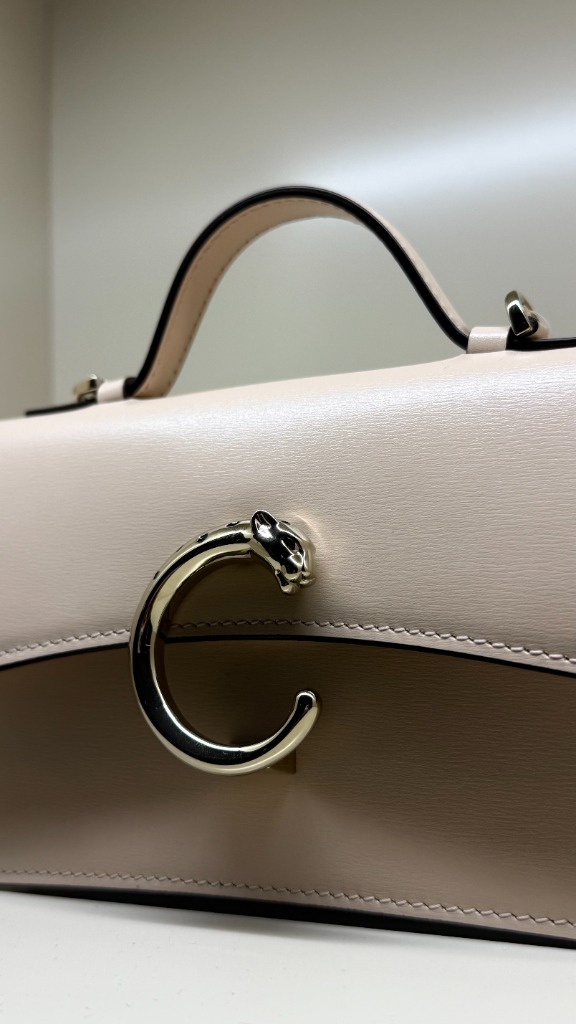
Cartier: A Century of Royal Patronage
Cartier's connection to India dates back to 1911 when Jacques Cartier traveled to India, culminating in the legendary 1928 commission for the Maharaja of Patiala, an extraordinary ceremonial necklace featuring 2,930 diamonds and the 234.65-carat De Beers yellow diamond. Today, Cartier has modernized this heritage: opening an expansive boutique at Mumbai's Jio World Plaza, appointing Bollywood icon Deepika Padukone as global ambassador, and curating private high-jewelry salons for India's foremost collecting dynasties.
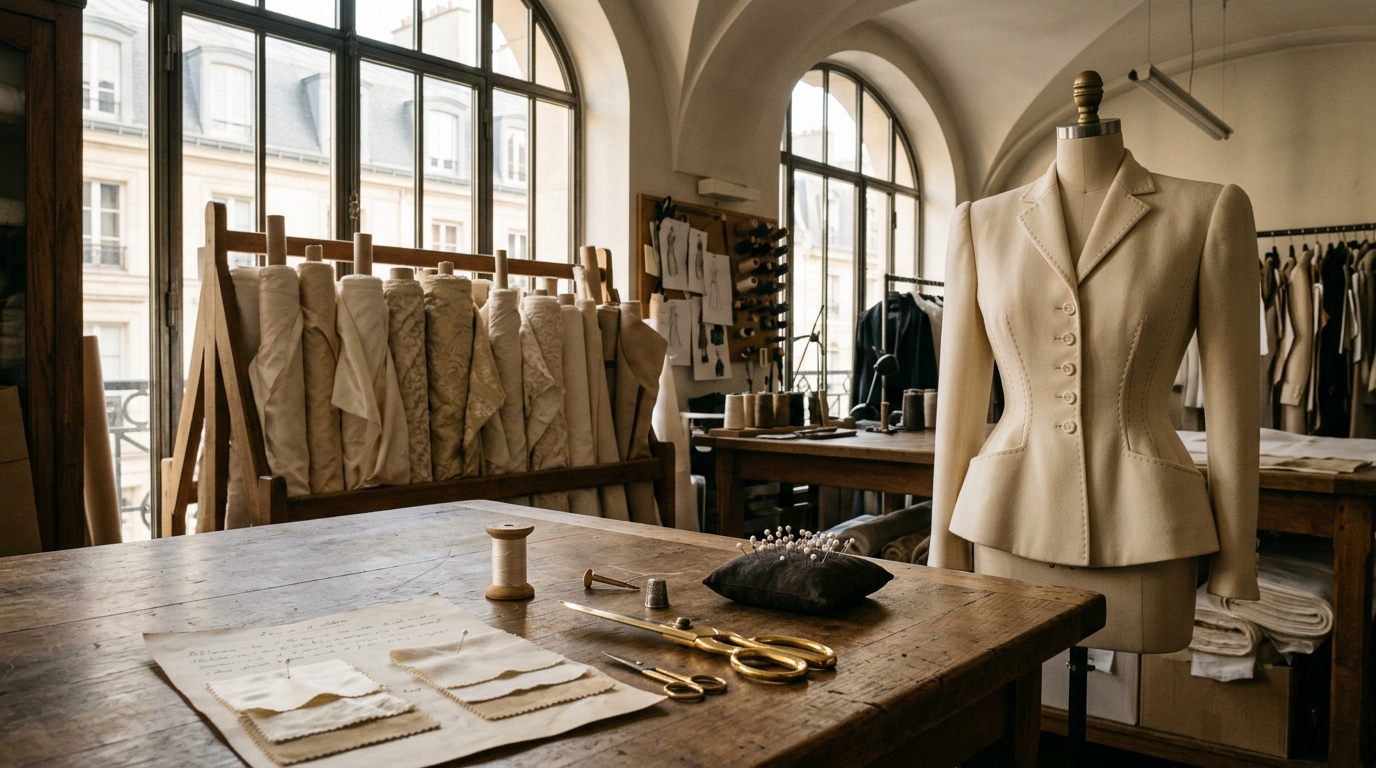
Dior: Elevating Master Artisans at Gateway of India
In March 2023, Christian Dior staged its historic Fall 2023 ready-to-wear runway show in front of Mumbai's Gateway of India. Rather than treating Indian craftsmanship as anonymous back-office manufacturing, Creative Director Maria Grazia Chiuri celebrated a 30-year partnership with the Chanakya School of Craft led by Karishma Swali. The show publicly credited Indian artisans for intricate zardozi, aari, and kantha hand-embroidery, fundamentally elevating the perception of Indian craftsmanship on the global luxury stage.
The Final Question: Earning a Place in Culture
As global luxury leaders navigate the next decade, the strategic mandate is clear: international luxury houses cannot afford to view India solely through the lens of short-term quarterly revenue.
India's luxury opportunity is not that it will instantly replicate China's astronomical retail volume of the 2010s. It is that India possesses an enduring cultural veneration for craftsmanship, an expanding ecosystem of private wealth, and a consumer base that aspires to participate in international luxury when treated with cultural intelligence.
Bvlgari's 4,500 terracotta diyas in Jaipur provide a powerful blueprint. The installation worked because it was not an opportunistic ad campaign. It was an authentic creative dialogue that respected local potters, honored a sacred national festival, and spoke in the timeless aesthetic language of Rome.
India does not need global luxury brands to become Indian. It needs them to understand India well enough to know when to adapt, what to preserve, and how to earn an enduring place in a client's life. The maisons that invest in cultural understanding, patience, and bespoke client relationships today will be the ones that define the future of global luxury tomorrow.
Sources and Research Citations
- PR Newswire / Bvlgari Corporate Release. "Bvlgari Marks Its First Global Diwali Campaign 'Passing the Light' with an Exclusive Event at the Jaipur Centre for Art." (October 2026). Available at: prnewswire.com.
- The Nod Magazine & ANI News. "Passing the Light: Doyel Joshi and Bvlgari Craft 4,500 Terracotta Diyas for Global Diwali Campaign in Jaipur." (October 2026).
- Bvlgari S.p.A. "Bvlgari Celebrates Diwali with Passing the Light Campaign and Regional Festive Showcase." PR Newswire Global Disclosures (October 2026).
- Business Today & Mint Lounge. "With Indianised Products Like the Mangalsutra, Italian Luxury House Bvlgari Binds Cultural Relevance in India." (September 2022 / March 2024).
- Vogue India & Robb Report India. "Bvlgari Unveils B.zero1 Kada Bracelet Alongside Flagship Expansion at Jio World Plaza, Mumbai." (2024).
- Business Standard. "India to Be Among Italian Luxury Brand Bvlgari's Top 10 Markets in 3 Years: CEO Jean-Christophe Babin." (October 2025). Available at: business-standard.com.
- Robb Report India. "Bvlgari Opens Its First Kolkata Boutique at Quest Mall, Expanding National Presence Across Four Metros." (September 2026).
- Forbes India & Economic Times. "How Tata CLiQ Luxury Unlocks Non-Metro Affluence: 40% of Bvlgari Digital Sales Driven by Tier-2/3 Pin Codes." (2024-2025).
- Euromonitor International / India Brand Equity Foundation (IBEF). "India's Luxury Market Set for 10% Growth in 2025: Sector Reaches US$12.1 Billion." (2025).
- Redseer Strategy Consultants. "Beyond Prestige: The Next Chapter of Indian Luxury." Market report projecting personal luxury expansion to $24-26B by FY2029.
- Capgemini Research Institute. "World Wealth Report 2026: Macroeconomic Shifts and HNWI Population Expansion Across Asia-Pacific." Capgemini India Data (2026).
- Hurun Research Institute & Mercedes-Benz. "Hurun India Wealth Report 2025: Millionaire Household Distribution and Wealth Concentration." (2025).
- Ipsos. "Hedonism, Heritage and Human-Centricity: Ipsos Global Trends 2025 Survey Across 43 Markets." Ipsos Global Disclosures (March 2026).
- Bain & Company. "2024 China Luxury Goods Market Report: Navigating Structural Recalibration and Selectivity." (January 2025).
- Bain & Company. "2025 Chinese Personal Luxury Goods Market: Consumer Discretion and Cultural Dynamics." (January 2026).
- Reuters. "India's Luxury Promise Hits a Wall: Not Enough Malls to Shop In." Investigative retail infrastructure report (March 27, 2026).
Akshith Vinukonda
Master of Science in Marketing Management student at ESSEC Business School in Singapore. Retail Brand Ambassador at Love, Bonito. Researching luxury retail clienteling, international brand expansion, and consumer psychology across Asia-Pacific.
Dior in Southeast Asia: Heritage, Clienteling, and Modern Prestige
Analyzing Christian Dior's regional expansion, boutique storytelling, and high-jewelry positioning across Asia-Pacific.
The Retail Floor Is Where Brand Strategy Meets Reality: Love, Bonito
What frontline fashion retail teaches an aspiring luxury marketer about client advisory, store presentation, and commercial awareness.